Is Non-Alcoholic Beer Halal? The Scholars' Positions, Attributed
Updated: 16 November 2026 · By Halal Europe Guide Research Team
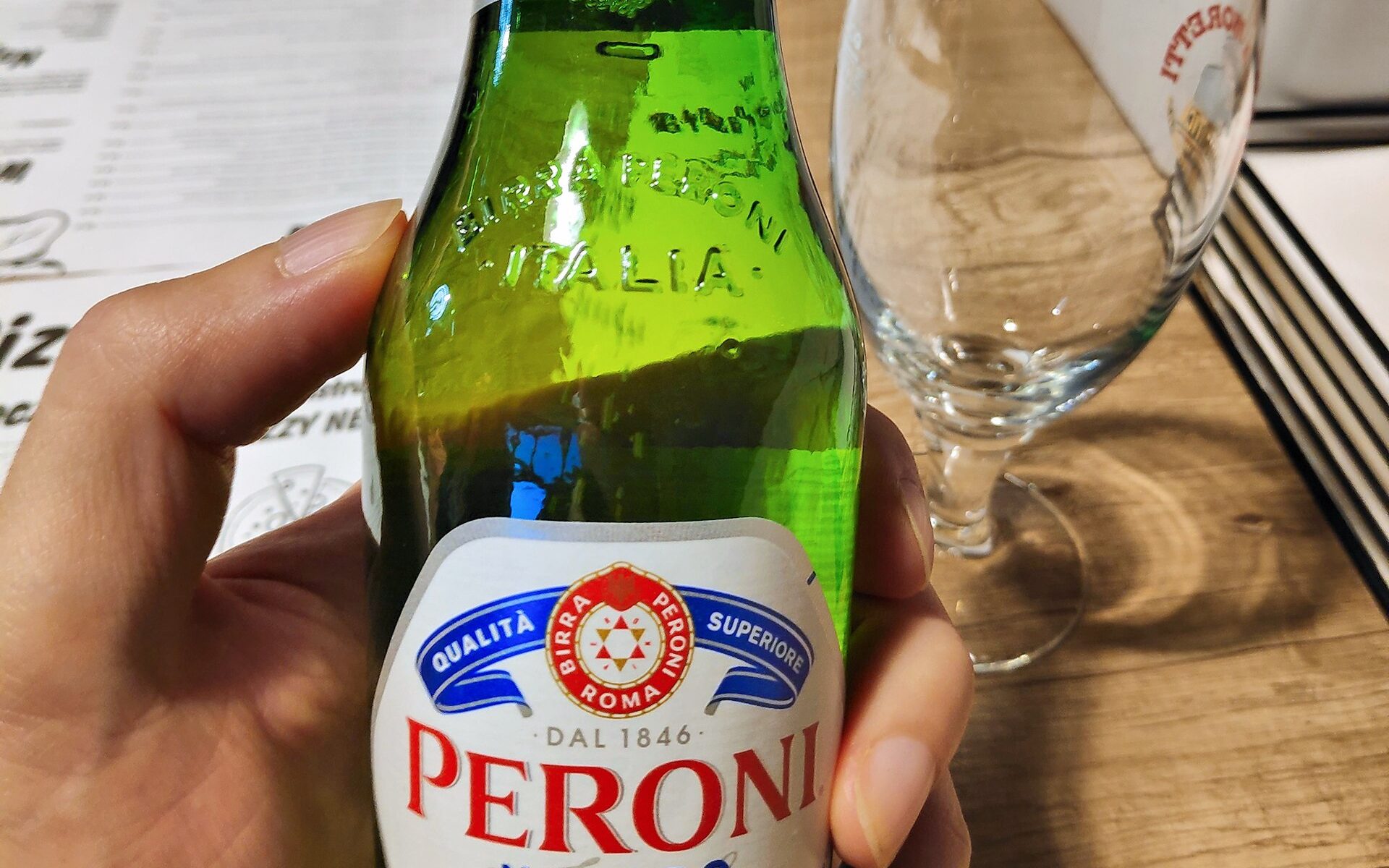
Non-alcoholic beer is the highest-conflict topic on this site. The majority of contemporary scholars are reported as ruling it impermissible — yet a real minority permits drinks that cannot intoxicate even in large amounts, and the same fatwa body is reported on both sides. This page does not resolve that disagreement. It reports it, with sources, so you can see exactly who says what and why.
Read it as a map of positions, not a verdict — and ask a scholar you trust for a ruling on your own practice.
The label is not the ruling. A bottle labelled 0.0%% or non-alcoholic may still contain a trace of alcohol, and labelling thresholds differ by country. The sections below separate what the label means from what scholars say about drinking it.
The majority position: impermissible
As summarised by DeenBack: "Non-alcoholic beer is haram according to the majority of contemporary scholars and major fatwa bodies, including the Permanent Committee of Saudi Arabia, Darul Ifta Egypt, the Islamic Fiqh Academy, and the European Council for Fatwa and Research", on trace alcohol, the "what intoxicates in large quantities" principle, and resemblance (tashabbuh). The primary fatwas for each body were not directly retrieved in our research; this is DeenBack's summary.
Jamiatul Ulama KZN / Darul Iftaa (checked by Mufti Ebrahim Desai) gives a related reasoning: non-alcoholic beer starts as regular beer, alcohol removal never removes all alcohol (typically around 0.5%), and "wine and beer will remain impure and Haram irrespective of whether the alcohol is removed from it or not". On this view the origin of the drink matters, not only the final percentage.
Heineken Malaysia is reported as stating: "We wish to again clarify that Heineken 0.0 is non-halal and is only targeted at non-Muslims, aged 21 and above." The primary Heineken statement was not directly retrieved; the report is Calendar-UK quoting Heineken Malaysia. It is a manufacturer's own positioning, not a scholarly ruling — but it shows the producer itself does not market the drink as halal.
The minority position: the intoxication test
IslamWeb Fatwa 299059 (26 November 2015) quotes Ibn Uthaymeen: "do not think that any percentage of alcohol in a thing makes it unlawful; rather if the percentage of alcohol has an effect whereby when a person drinks this mix, he becomes intoxicated, then it is unlawful. But if the percentage is very small without effect, then it is lawful." The same fatwa quotes the Permanent Committee: "if the consumption of a large amount of such a beverage does not intoxicate, then it is permissible to sell, buy, and consume it."
Dar al-Ifta (Egypt) issued a fatwa stating: "it is lawful to drink beverages that have been mixed with minute quantities of an intoxicating substance, and which do not intoxicate even if drunk in large amounts", based on istihlak/istihala reasoning. The fatwa was retrieved directly. On this test the question is not the percentage on the label but whether the drink can intoxicate at all.
Conflict — the Permanent Committee is reported on both sides. DeenBack lists the Permanent Committee in the impermissible camp (above), while IslamWeb quotes the Permanent Committee permitting non-intoxicating drinks. Both are as reported; this page does not resolve the contradiction. Readers who follow that body should check its current published fatwas directly.
Hanafi positions: two reported framings
SeekersGuidance (Hanafi, Shaykh Salman Younas, checked by Shaykh Faraz Rabbani) states that consuming drinks with "incidental traces of non-wine alcohol" is permitted if not used to intoxicate, not used as intoxicants are used, not in intoxicating amounts, and not for vain purposes, "based on the position of Abu Hanifa". Wine alcohol (grape/date fermentation) is "impermissible to consume in any amount" on the same answer. The distinction between wine alcohol and other alcohol is central to this position.
AmalKit, a Hanafi-first checker, presents a "disliked but not impermissible" view: "A drink with 0.0% alcohol that cannot intoxicate is not haram in itself, but most scholars dislike it: it imitates a drink of sin and keeps the taste for it alive. 'Alcohol-free' drinks with up to 0.5% are more doubtful." This is UNVERIFIED from a primary Hanafi text in our research and is treated here as a secondary summary.
Conflict — Hanafi reporting. A MuftiSays thread presents the Hanafi fatwa as following Imam Muhammad's view — "all alcohol, be it non-khamr, is haraam and najis" for 14 centuries, with no pressing need to reverse it — versus the Abu Hanifa-based permitting/dislike framing above. Both are reported; this page never rules between them.
What the labels mean (regulatory, not religious)
In the US, the TTB allows beverages under 0.5% ABV to be labelled "non-alcoholic", per ChesBrewCo citing the TTB. That means a US "non-alcoholic" beer can legally contain up to 0.5% alcohol. UK descriptors — "alcohol-free: no more than 0.05% ABV; de-alcoholised: no more than 0.5% ABV" — are reported by Calendar-UK and are UNVERIFIED from primary UK guidance in our research. Labelling rules say what a producer may print; they do not say what a scholar permits. Check the ABV figure on the bottle itself, not just the descriptor.
Wine at 0.0% and 0.5%: the same disagreement, sharper
De-alcoholised wine raises the same questions as beer, with one difference the SeekersGuidance answer makes explicit: wine alcohol is grape/date fermentation, which that Hanafi position treats as impermissible in any amount — including traces. Readers following that position face a stricter question for wine than for beer. Other positions reported above do not draw the same line. As throughout this page, the disagreement is stated, not settled.
Frequently asked questions
Is non-alcoholic beer halal?
Scholars disagree, and this page does not rule. The majority position is reported as impermissible; a minority permits drinks that cannot intoxicate even in large amounts. Ask a scholar you trust for a ruling.
What do most scholars say about 0.0% beer?
DeenBack summarises the majority of contemporary scholars and major fatwa bodies, including the Permanent Committee, Darul Ifta Egypt, the Islamic Fiqh Academy and the European Council, as ruling non-alcoholic beer impermissible, on trace alcohol, the large-quantities principle and resemblance.
What is the permitting argument?
The intoxication test: if a drink cannot intoxicate even in large amounts, it is lawful. IslamWeb quotes Ibn Uthaymeen and the Permanent Committee to this effect, and Dar al-Ifta Egypt issued a fatwa permitting beverages with minute quantities that do not intoxicate.
Why is the Permanent Committee reported on both sides?
DeenBack lists it in the impermissible camp while IslamWeb quotes it permitting non-intoxicating drinks. Both are as reported in our research and the contradiction is unresolved here; check its current published fatwas directly.
What does the Hanafi school say?
Two framings are reported. SeekersGuidance, based on Abu Hanifa, permits incidental traces of non-wine alcohol under conditions, while wine alcohol is impermissible in any amount. A MuftiSays thread presents the fatwa as following Imam Muhammad: all alcohol is haram and impure.
Does 0.0% mean zero alcohol?
Not necessarily. Labelling thresholds differ by country: in the US, drinks under 0.5% ABV may be labelled non-alcoholic. Check the ABV figure on the bottle itself rather than relying on the descriptor alone.
Does Heineken call Heineken 0.0 halal?
No. Heineken Malaysia is reported as stating that Heineken 0.0 is non-halal and targeted only at non-Muslims aged 21 and above. The primary statement was not directly retrieved; the report is Calendar-UK quoting Heineken Malaysia.
Sources
Checked 16 November 2026. This page reports what the named sources say; where a statement could not be verified from a primary source, the page says so. Verify current status with the manufacturer, certifier, mosque or airport directly before relying on it.
- DeenBack — Is Non-Alcoholic Beer Haram? (secondary summary)
- Jamiatul Ulama KZN — ruling on non-alcoholic beer
- IslamWeb Fatwa 299059 — non-alcoholic beverages
- Dar al-Ifta Egypt — low-alcohol beer fatwa
- SeekersGuidance — drinks with 0% alcohol labels (Hanafi)
- AmalKit — Hanafi-first checker (secondary summary)
- MuftiSays — beer with 0.0% alcohol thread (forum)
- Calendar-UK — Is 0 alcohol beer halal? (secondary, Heineken quote + UK descriptors)
- ChesBrewCo — Is Non-Alcoholic Beer Halal? (secondary, TTB labelling)
Explore more guides
Halal Drinks Guide
0.0% beer, bubble tea and vanilla extract — positions attributed, never ruled.
Halal Drinks Guide →Is Bubble Tea Halal?
Base vs toppings, gelatin, pearls, flavourings — what to ask at the shop.
Is Bubble Tea Halal? →Is Vanilla Extract Halal?
The 35% alcohol standard, certifier exclusions, and the permitting positions.
Is Vanilla Extract Halal? →