Is Vanilla Extract Halal? Alcohol, Certifiers and the Cooked-Use Question
Updated: 16 November 2026 · By Halal Europe Guide Research Team
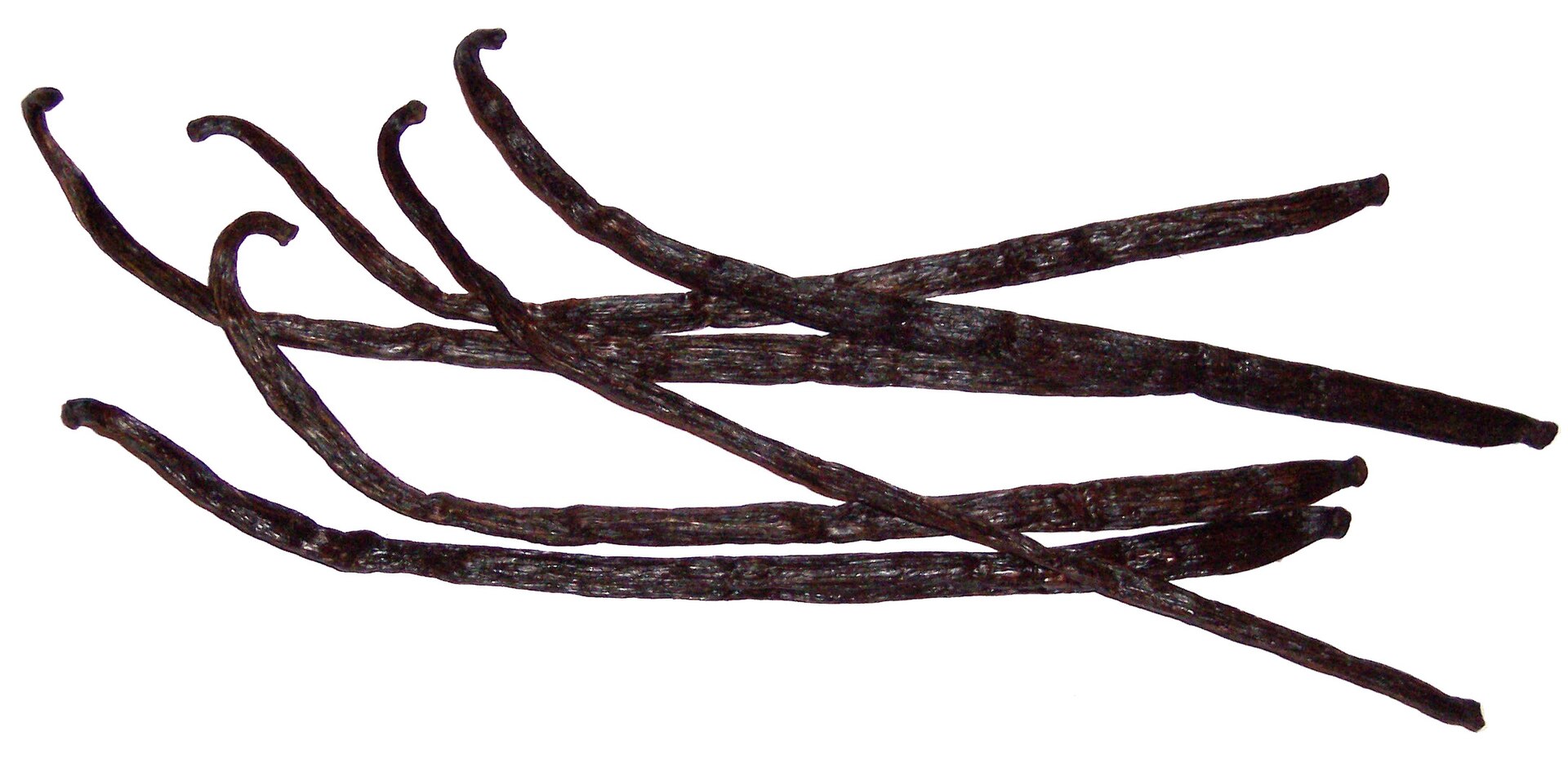
Vanilla extract is the purest form of the flavouring-alcohol question: in the United States, pure vanilla extract is legally required to contain at least 35% ethyl alcohol. That is not a trace — it is the solvent the vanilla is extracted into. Yet scholars disagree about whether a teaspoon of it, baked into a cake, is permissible — and the same certifiers are reported as both excluding it and permitting it.
This page reports the law, the certifier positions and the scholarly positions separately, and leaves the conflict open.
Extract, flavouring and powder are different products. Pure vanilla extract is alcohol-based by law in the US. Synthetic vanillin and alcohol-free vanilla flavouring avoid the alcohol debate, and vanilla powder contains no alcohol — a distinction several sources report as the practical way around the question.
The legal fact: at least 35% alcohol (as cited)
The US FDA standard 21 CFR 169.175 requires pure vanilla extract to contain at least 35% ethyl alcohol by volume, and products below that cannot legally be labelled "pure vanilla extract" in the US — as cited by HalalSpy, Tayib and IsItHalal. The primary CFR text was not directly retrieved in our research. The figure matters because it establishes that the alcohol in vanilla extract is not an impurity or a trace: it is the defining ingredient of the product as legally defined.
Certifier exclusion: as reported
Certifier positions as reported: HMC, HFA, JAKIM and MUI exclude alcohol-based vanilla extract from certified products, or do not certify products listing vanilla extract. This is secondary reporting (HalalCodeCheck and HalalSpy); the primary certifier standards were not directly retrieved in our research. On this reporting, a product listing vanilla extract among its ingredients would not carry those bodies' certification — which is why certified baked goods typically use vanilla flavouring or vanillin instead.
Permitting positions: cooked use
Permitting positions as summarised by IsItHalal: IslamQA 177030, citing Ibn Uthaymin, permits eating vanilla prepared with alcohol "when the alcohol leaves no intoxicating effect or discernible trace"; and Darul Iftaa Chicago (Hanafi) permits baking with vanilla extract when ethanol is not date/grape wine, is not consumed as a drink, and the finished food does not intoxicate — while drinking the extract itself is khamr. The primary fatwas were not directly retrieved. Both positions turn on the same distinction: the extract as a drink is one thing; a teaspoon baked into food that cannot intoxicate is treated as another.
Conflict — the same certifiers reported on both sides. AskHalalQA claims JAKIM permits vanilla extract if alcohol is removed or non-khamr, IFANCA permits trace amounts as flavouring when cooked, and HFA accepts non-wine-derived minimal cooked use — versus HalalCodeCheck and HalalSpy reporting the same bodies as excluding vanilla extract. Both are reported; the conflict is unresolved in this research, and neither side is adopted here. Check the certifier's current published standard directly if the question matters to you.
Vanillin, alcohol-free flavouring and powder
The distinction reported by IsItHalal: synthetic vanillin and alcohol-free (glycerin or propylene-glycol based) vanilla flavouring avoid the alcohol debate entirely, and vanilla powder contains no alcohol. For home baking, these are the products that sidestep every position reported on this page — no alcohol to debate, no certifier exclusion to navigate. For bought products, the ingredient list tells you which one was used: "vanilla extract" means the alcohol-based product; "vanilla flavouring" or "vanillin" usually means it does not.
What to check on the label
Check whether the ingredient is vanilla extract, vanilla flavouring, vanillin or vanilla powder — and, for extract, whether the product is certified and by whom. A certified product listing vanilla extract would contradict the exclusion reporting above, which is itself a reason to check the certifier's current standard rather than assume. For a ruling on your own cooking, ask a scholar you trust.
Frequently asked questions
Is vanilla extract halal?
Positions conflict and this page does not rule. Certifiers are reported as excluding alcohol-based vanilla extract, while permitting scholarly positions exist for cooked use. The same bodies are reported on both sides; check the certifier's current standard and ask a scholar you trust.
How much alcohol is in vanilla extract?
US law requires pure vanilla extract to contain at least 35% ethyl alcohol by volume, as cited by HalalSpy, Tayib and IsItHalal. Products below that cannot legally be labelled pure vanilla extract in the US. The primary CFR text was not retrieved here.
Do halal certifiers allow vanilla extract?
As reported by HalalCodeCheck and HalalSpy, HMC, HFA, JAKIM and MUI exclude alcohol-based vanilla extract from certified products. But AskHalalQA reports the same bodies as permitting it under conditions — the conflict is unresolved in this research.
What do scholars who permit it say?
As summarised by IsItHalal: IslamQA 177030, citing Ibn Uthaymin, permits vanilla prepared with alcohol when it leaves no intoxicating effect or discernible trace, and Darul Iftaa Chicago permits baking with it when the ethanol is not wine, is not drunk, and the food cannot intoxicate.
Is drinking vanilla extract allowed?
No position reported here permits it. Darul Iftaa Chicago's permitting position for baking explicitly treats drinking the extract itself as khamr. The permitting positions are about cooked food, not about the extract as a drink.
What is the difference between extract and flavouring?
Pure vanilla extract is alcohol-based by law in the US. Synthetic vanillin and alcohol-free vanilla flavouring use glycerin or propylene glycol instead, and vanilla powder contains no alcohol — all three avoid the alcohol debate.
What should I use for home baking?
Vanilla powder, alcohol-free vanilla flavouring or synthetic vanillin sidestep every position reported on this page, since they contain no alcohol. Check the bottle: extract, flavouring and powder are different products.
Sources
Checked 16 November 2026. This page reports what the named sources say; where a statement could not be verified from a primary source, the page says so. Verify current status with the manufacturer, certifier, mosque or airport directly before relying on it.
- HalalSpy — Is Vanilla Extract Halal? (secondary, CFR citation + certifiers)
- IsItHalal — Is Vanilla Extract Halal? (secondary summary)
- HalalCodeCheck — Is Vanilla Extract Halal? (secondary, certifier exclusion)
- AskHalalQA — Is Vanilla Extract Halal? (secondary, conflicting certifier claims)
Explore more guides
Halal Drinks Guide
0.0% beer, bubble tea and vanilla extract — positions attributed, never ruled.
Halal Drinks Guide →Is Bubble Tea Halal?
The same flavouring-alcohol question in a cup: syrups, toppings, what to ask.
Is Bubble Tea Halal? →HMC vs HFA
The UK certifiers whose standards are reported on both sides of this question.
HMC vs HFA →