Halal Drinks Guide: 0.0% Beer, Bubble Tea and Vanilla Extract
Updated: 16 November 2026 · By Halal Europe Guide Research Team
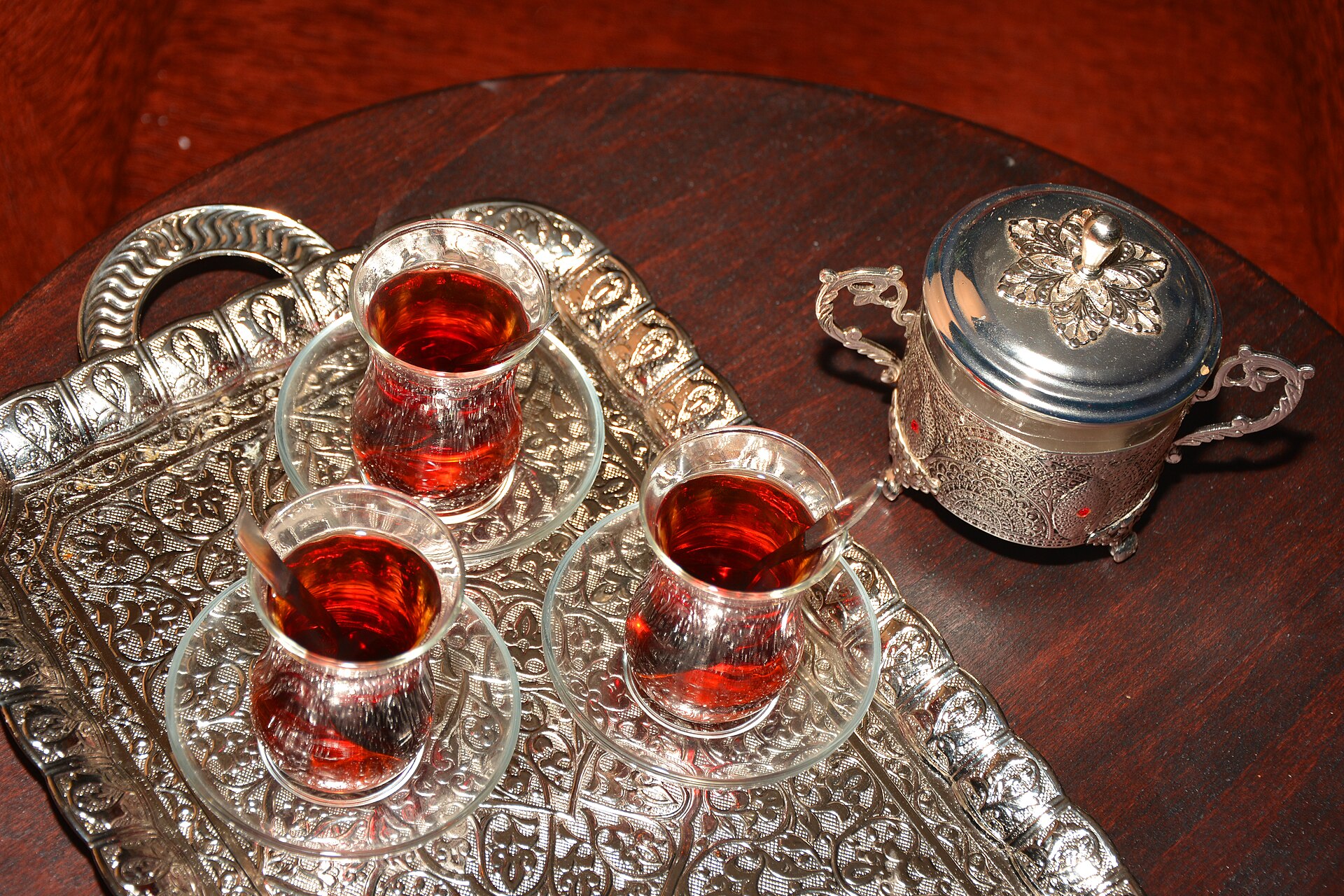
Drinks raise harder questions than food. A beer with the alcohol removed is still called beer. A bubble tea can be fine in its base and doubtful in its toppings. Vanilla extract is legally required to be mostly alcohol in the United States — yet scholars disagree about what that means for a cake baked with a teaspoon of it.
This hub collects the reported scholarly and certifier positions on all three, with every claim attributed to its source. Where scholars and sources disagree, we show both sides. We do not issue rulings: for a ruling on your own practice, ask a scholar you trust.
How to use these pages. Each drink page separates three things: what the label and the law say, what scholars and certifiers say, and where the sources conflict. Read the page that matches the drink in your hand — and check the label, because the same brand name can cover very different products.
Drinks covered
| Drink | Short version (attributed) |
|---|---|
| 0.0% / 0.5% beer & wine | Majority of contemporary scholars reported as impermissible; a minority permits drinks that cannot intoxicate even in large amounts; the Permanent Committee is reported on both sides. Labelling thresholds differ by country. |
| Bubble tea / boba | Base (tea, milk, sugar, tapioca pearls) widely reported as unproblematic; toppings are the risk — gelatin jellies, animal-fat emulsifiers, animal-rennet cheese foam, carmine colour. Pearl gelatin claims conflict. |
| Vanilla extract | US law requires at least 35% ethyl alcohol in pure vanilla extract, as cited by secondaries. Certifiers are reported as excluding it; permitting scholarly positions exist for cooked use. The same certifiers are reported on both sides. |
The three questions behind every drink
Almost every drink question comes down to three checks. First, alcohol: is any present, how much, what is it made from, and does it survive into the finished drink or food? Wine alcohol (grape or date fermentation) is treated more strictly than other alcohol in the Hanafi positions reported here. Second, ingredients: gelatin in jellies and puddings, emulsifiers in creamers, rennet in cheese foam, carmine (E120) in red colours — each needs its own check. Third, resemblance: several scholars raise tashabbuh — imitation of intoxicating drinks — as a reason to avoid 0.0% beer even where the alcohol question is answered, a reason that does not apply to tea or vanilla.
Why sources disagree so much on drinks
Drink questions sit at the intersection of food science, labelling law and fiqh, and the three do not move together. A label that says 0.0% may still contain a trace. A flavouring carried in alcohol may lose the alcohol in cooking. A certifier's standard may exclude an ingredient that a scholar permits in cooked food. Add different schools, different countries and different decades, and disagreement is the honest picture — which is why these pages attribute every position rather than smoothing them into one answer.
What to check before you drink
Read the label for the alcohol percentage and the ingredient list. For bubble tea, ask the shop what sets its jellies and what is in its cheese foam and creamers. For vanilla, check whether the bottle says extract (alcohol-based), flavouring (which may be alcohol-free) or powder. And for any question that matters to your practice, ask a scholar you trust — these pages report the positions; they do not choose between them.
Frequently asked questions
Does this site rule on whether a drink is halal?
No. These pages report what scholars, certifiers and manufacturers say, with each claim attributed. They do not issue rulings; for a ruling on your own practice, ask a scholar you trust.
Is 0.0% beer halal?
Scholars disagree. The majority position is reported as impermissible, while a minority permits drinks that cannot intoxicate even in large amounts. The full positions, with sources, are on the non-alcoholic beer page.
Is bubble tea halal?
The base is widely reported as unproblematic; the risk is in the toppings — gelatin jellies, animal-fat emulsifiers, animal-rennet cheese foam and carmine colour. Ask the shop about its toppings and check the bubble tea page.
Is vanilla extract halal?
Positions conflict. Certifiers are reported as excluding alcohol-based vanilla extract, while permitting scholarly positions exist for cooked use where the alcohol leaves no intoxicating effect. The same bodies are reported on both sides.
What does 0.0% on a label actually mean?
Labelling thresholds differ by country. In the US, drinks under 0.5% ABV may be labelled non-alcoholic, per a secondary citing the TTB. UK descriptor thresholds are reported but unverified from primary UK guidance in our research.
Why do scholars disagree about 0.0% beer?
They weigh different factors: trace alcohol, the principle about what intoxicates in large quantities, resemblance to intoxicating drinks, and the source of the alcohol. Different scholars and bodies weigh these differently, so the positions genuinely differ.
What should I ask at a bubble tea shop?
What sets the jellies and puddings, what is in the creamers and cheese foam, whether red colours use carmine, and whether syrups contain alcohol. The shop's supplier packs settle most questions.
Sources
Checked 16 November 2026. This page reports what the named sources say; where a statement could not be verified from a primary source, the page says so. Verify current status with the manufacturer, certifier, mosque or airport directly before relying on it.
- DeenBack — Is Non-Alcoholic Beer Haram? (secondary summary of positions)
- HalalOHaram — Is Bubble Tea Halal? (secondary)
- IsItHalal — Is Vanilla Extract Halal? (secondary summary)
- SeekersGuidance — drinks with 0% alcohol labels (Hanafi answer)
- Dar al-Ifta Egypt — low-alcohol beer fatwa
Explore more guides
Is Non-Alcoholic Beer Halal?
Majority and minority positions, the Permanent Committee conflict, labelling facts.
Is Non-Alcoholic Beer Halal? →Is Bubble Tea Halal?
Base vs toppings, gelatin, pearls, flavourings — what to ask at the shop.
Is Bubble Tea Halal? →Is It Halal? Hub
Everyday products checked: Nutella, KitKat, Coca-Cola, Monster, Haribo.
Is It Halal? Hub →