Is Bubble Tea Halal? Base, Toppings and Gelatin — What to Ask
Updated: 16 November 2026 · By Halal Europe Guide Research Team
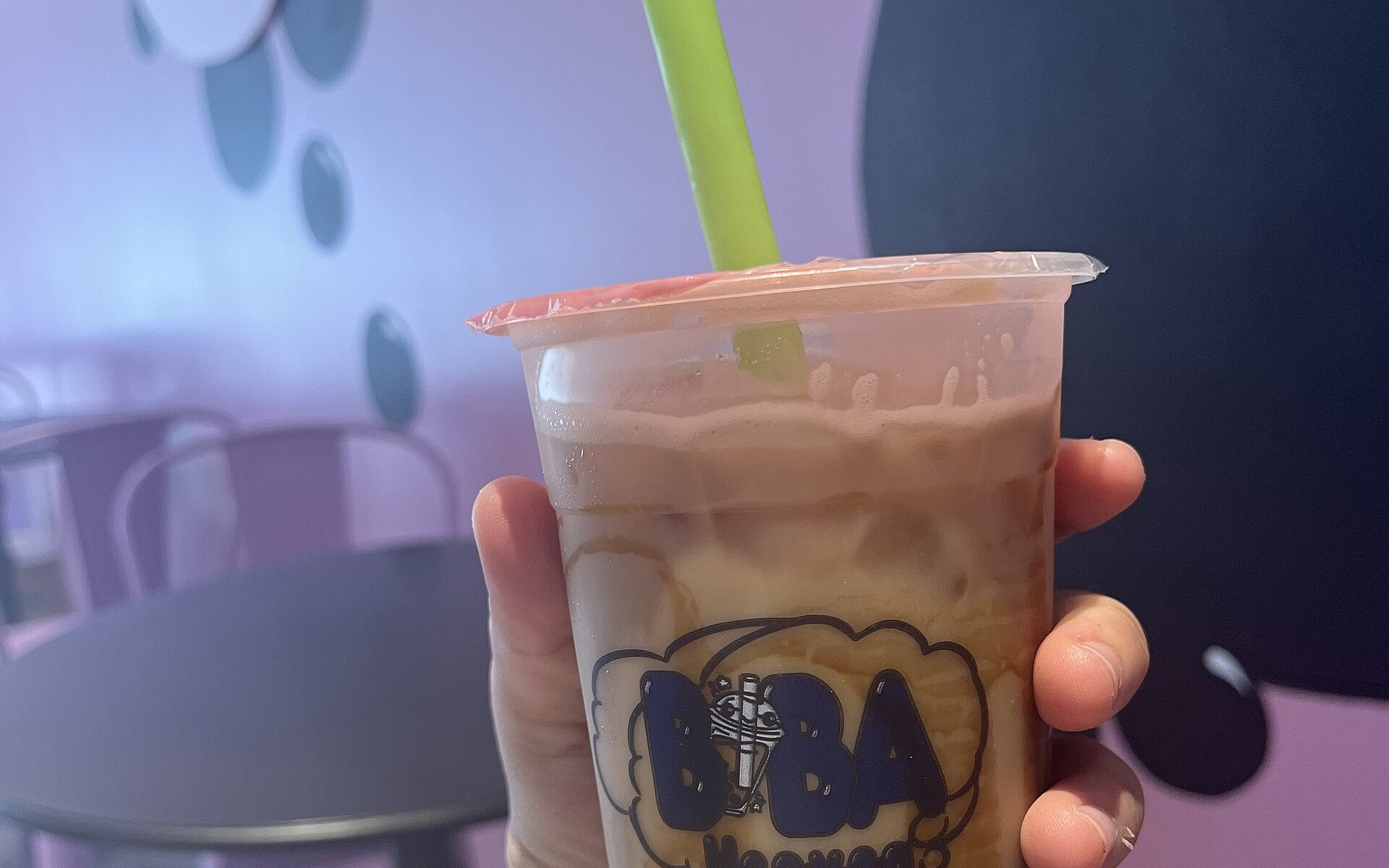
Bubble tea is not one drink but a build-your-own system: a tea base, milk or fruit syrup, sugar, and a choice of toppings. That is why the honest answer splits in two. The base is widely reported as unproblematic. The toppings are where gelatin, animal-derived emulsifiers, animal-rennet cheese and insect-derived colour can appear — and where two shops selling the same-named drink can differ completely.
This page separates base from toppings, names the specific risks, and gives you the questions to ask at the counter.
The short version. Tea, milk, fruit syrup, sugar and standard tapioca pearls are reported as the unproblematic base. Jellies, puddings, creamers, cheese foam and red colours are the items to check — every time, at every shop, because suppliers differ.
The base: tea, milk, sugar, tapioca pearls
The base is reported by HalalOHaram and BubbleTeas.moe as tea, milk/fruit syrup and sugar, with classic pearls (boba) made from cassava (tapioca) starch. On the standard recipe, the base raises no halal ingredient question: tapioca starch is plant-derived, and tea, milk and sugar need no certification discussion. The questions start with what is added to the base, not the base itself.
Toppings: where the risks are
Toppings are the reported risk, per HalalOHaram: some jellies and puddings are set with gelatin (often pork outside Muslim-majority countries); some creamers use animal-fat emulsifiers; cheese foam can use animal-rennet cheese; and red colours may use carmine (E120, insect-derived). Each of these is a supplier choice, not a property of bubble tea itself — a shop using plant-set jellies and vegetarian cheese foam avoids all four, while a neighbouring shop using gelatin-set jellies does not. The drink's name tells you nothing; the supplier packs do.
Plant-set toppings: the safer choices reported
Plant-set toppings reported as halal by the same source are coconut jelly (nata de coco), grass jelly, konjac and agar jellies. Popping boba is fruit juice in a sodium-alginate (seaweed) skin with no gelatin in the standard method, though the colour still needs checking. Ordering these toppings, and asking the shop to confirm its supplier, is the practical route most sources describe — but "plant-set" is a claim to verify against the pack, not a guarantee printed on the menu.
Conflict — do the pearls themselves contain gelatin? JuicerAdvices and HalalGuidelines claim gelatin "sneaks into chewy pearls" or that some shops add gelatin to pearls. Against that, HalalOHaram states: "We couldn't find a mainstream supplier that uses gelatin in standard tapioca pearls." The conflict is about individual shops and suppliers, not about the standard recipe — check the shop's supplier or pack if the question matters to you.
Gelatin transformation: a scholarly disagreement behind the toppings question
As reported by HalalOHaram, the Islamic Organization for Medical Sciences held that pork-bone/skin gelatin had changed enough (istihala) to be permissible, while the Islamic Fiqh Council in Jeddah and most halal certifiers say pork gelatin is not permissible. The primary texts were not directly retrieved in our research. The disagreement matters because it is the reason certifiers and scholars can look at the same gelatin-set jelly and reach different conclusions — and why this page reports the positions rather than choosing one.
Flavourings: alcohol as carrier
Some syrups and extracts may contain alcohol as a carrier or preservative, as reported by BubbleTeas.moe and HalalIcons. This is the same flavouring question that arises with vanilla extract, on a smaller scale: the alcohol is a processing aid, not the drink, and scholars differ on traces of this kind. Shops rarely list syrup carriers on the menu; asking for the syrup bottle or the supplier's specification sheet is the only reliable check.
What to ask at the shop
Ask four questions: what sets the jellies and puddings (gelatin or plant-based, and which gelatin if any); what is in the creamers and the cheese foam; whether red colours use carmine (E120); and whether the syrups contain alcohol. A shop that can show you its supplier packs answers all four in a minute. A shop that cannot answer them has not verified its own supply chain — and neither can you.
Frequently asked questions
Is bubble tea halal?
The base is widely reported as unproblematic, but the toppings decide it: gelatin jellies, animal-fat creamers, animal-rennet cheese foam and carmine colour are all reported risks. Ask the shop about its toppings; the drink name alone settles nothing.
Are tapioca pearls halal?
Standard tapioca pearls are made from cassava starch and HalalOHaram reports finding no mainstream supplier using gelatin in standard pearls. Other sources claim some shops add gelatin to pearls — check the shop's supplier or pack.
Which bubble tea toppings are safest?
Coconut jelly (nata de coco), grass jelly, konjac and agar jellies are reported as plant-set and halal, and popping boba uses a seaweed-based skin with no gelatin in the standard method, though its colour still needs checking.
What is the problem with jellies and puddings?
Some are set with gelatin, often pork gelatin outside Muslim-majority countries. The setting agent is a supplier choice, so two shops can differ; ask what sets the jellies and check the supplier pack.
Is cheese foam halal?
It depends on the cheese: cheese foam can use animal-rennet cheese, which is the reported concern. Ask the shop which cheese it uses, or order without cheese foam.
Do scholars agree about gelatin?
No. As reported, the Islamic Organization for Medical Sciences held pork gelatin had transformed enough to be permissible, while the Islamic Fiqh Council in Jeddah and most certifiers say pork gelatin is not permissible. Primary texts were not retrieved here.
Can bubble tea syrups contain alcohol?
Yes, some syrups and extracts may contain alcohol as a carrier or preservative, as reported by BubbleTeas.moe and HalalIcons. Shops rarely list this on the menu; ask to see the syrup bottle or specification sheet.
Sources
Checked 16 November 2026. This page reports what the named sources say; where a statement could not be verified from a primary source, the page says so. Verify current status with the manufacturer, certifier, mosque or airport directly before relying on it.
- HalalOHaram — Is Bubble Tea Halal? (secondary)
- BubbleTeas.moe — Is Boba in Bubble Tea Halal? (secondary)
- JuicerAdvices — Is Boba Tea Halal? (secondary, pearls claim)
- HalalIcons — Is Bubble Tea Halal? (secondary, flavourings)
Explore more guides
Halal Drinks Guide
0.0% beer, bubble tea and vanilla extract — positions attributed, never ruled.
Halal Drinks Guide →Is Vanilla Extract Halal?
The flavouring-alcohol question at full strength: 35% alcohol, cooked use, conflicts.
Is Vanilla Extract Halal? →Is Haribo Halal?
The gelatin question in sweets: HARIBO's own FAQs, pork vs beef, marked halal products.
Is Haribo Halal? →