Free Cups to Ml Converter
Published: 14 November 2026 · Updated: 14 November 2026 · By Halal Europe Guide Research Team
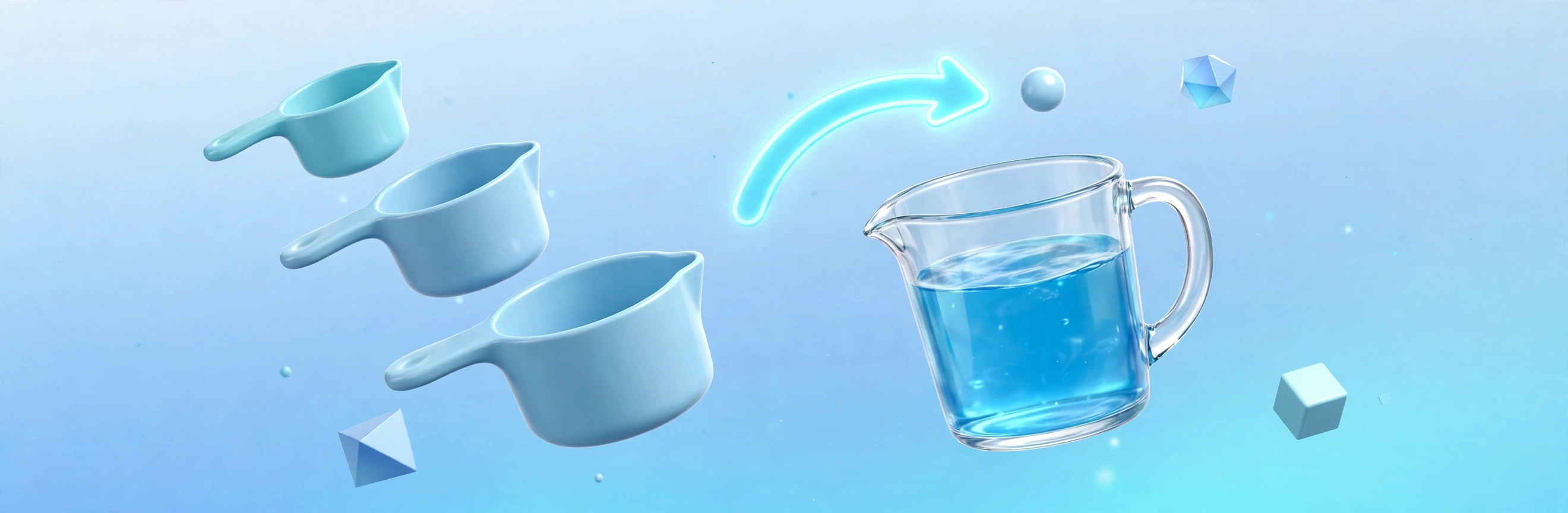
1 US cup is exactly 236.5882 mL. Multiply any number of cups by 236.5882365 to get millilitres. So 2 cups is 473.1765 mL, and half a cup is 118.2941 mL. This converter uses the US cup; the 250 mL metric cup is explained below.
Halal cooking tool This converter changes only the numbers: it does not certify any ingredient as halal. Check meat and ingredient sourcing with the shop or brand, and cook without alcohol, before serving a dish as halal. Where a recipe calls for wine or another alcohol, leave it out or use a non-alcoholic substitute — this tool cannot judge substitutions for you.
American recipes measure liquids and dry ingredients in cups, while European kitchens measure in millilitres and grams. This converter turns US cups into millilitres instantly, so a recipe from a US food blog works with the measuring jug in a European kitchen. It starts with 1 cup, which is 236.5882 mL.
For the reverse direction, use the Free Ml to Cups Converter. If your recipe measures flour or sugar in ounces instead, the Free Ounces to Grams Converter handles the weight side.
Researched by Halal Europe Guide Research Team · Last updated 14 November 2026
Example: With the default 1 cup, the result is 236.5882 mL — about 237 mL on a measuring jug. Try 1.5 to check the worked example below.
Exact factor. The factor 1 US cup = 236.5882365 mL is exact: a US cup is 8 US fluid ounces, and the US gallon is defined as 231 cubic inches. Results are shown to four decimal places; only the display is rounded.
What is a US cup?
A US cup is a unit of volume in the US customary system. One US cup holds 8 US fluid ounces, which is 16 tablespoons or 48 teaspoons. Because the US gallon is defined as exactly 231 cubic inches, the cup works out to exactly 236.5882365 millilitres. Dry measuring cups and liquid measuring jugs hold the same US cup; they differ only in shape, so that dry ingredients can be levelled off and liquids can be read at eye level.
What is a millilitre?
A millilitre (mL) is one thousandth of a litre: 1,000 mL make 1 litre. It is the standard kitchen unit for liquids across Europe, marked on every measuring jug. One millilitre is the same volume as one cubic centimetre, so a recipe that calls for 250 mL of milk needs exactly a quarter of a litre.
How to use this converter
- Type your amount in the us cups box — the millilitres value updates as you type, with no button to press.
- Read the result line: the converted amount plus the rate in both directions.
- To go the other way, type in the millilitres box instead, or press Swap direction to flip the converter and carry the converted value over as the new input.
- Decimals are welcome: 1.5 cups converts just as easily as a whole number.
Cups to millilitres formula
Let Vcups be the volume in US cups and VmL be the same volume in millilitres. The two directions are:
- Millilitres from cups: VmL = Vcups × 236.5882365
- Cups from millilitres: Vcups = VmL ÷ 236.5882365
The number 236.5882365 is exact, not an estimate: it follows from the definition of the US gallon. Any rounding you see comes only from how many decimal places are displayed.
Worked example
A Ramadan iftar recipe needs 1 1/2 cups of milk for a dessert, and the measuring jug shows only millilitres:
- Multiply by the exact factor: 1.5 × 236.5882365 = 354.8824 mL
- Rounded for the jug: pour to about 355 mL
- Check the other way: 354.8824 ÷ 236.5882365 = 1.5 cups, back where we started
So 1 1/2 cups of milk is about 355 mL. Try 1.5 in the converter above to see the same answer.
Cups to millilitres conversion table
| US cups | Millilitres (mL) | Tablespoons |
|---|---|---|
| 1/4 | 59.1471 | 4 |
| 1/3 | 78.8627 | 5.3333 |
| 1/2 | 118.2941 | 8 |
| 2/3 | 157.7255 | 10.6667 |
| 3/4 | 177.4412 | 12 |
| 1 | 236.5882 | 16 |
| 1 1/2 | 354.8824 | 24 |
| 2 | 473.1765 | 32 |
| 3 | 709.7647 | 48 |
| 4 | 946.3529 | 64 |
| 5 | 1182.9412 | 80 |
| 6 | 1419.5294 | 96 |
| 8 | 1892.7059 | 128 |
Millilitres are shown to four decimal places. The tablespoon column counts 16 tablespoons per cup.
How much does a cup weigh? It depends on the ingredient
A cup measures volume, not weight, so one cup of flour weighs much less than one cup of sugar. The table below gives the weights exactly as King Arthur Baking publishes them in its Ingredient Weight Chart. Flour weights assume the cup is spooned full and levelled off, not scooped through the bag. For butter and dry rice, King Arthur lists a half cup; doubling those rows gives 226 g per cup of butter and 198 g per cup of dry long-grain rice.
| Ingredient | As King Arthur lists it | Grams | Ounces |
|---|---|---|---|
| All-purpose flour | 1 cup | 120 | 4 1/4 |
| Granulated white sugar | 1 cup | 198 | 7 |
| Brown sugar, packed | 1 cup | 213 | 7 1/2 |
| Butter | 1/2 cup (8 tablespoons) | 113 | 4 |
| Rice, long grain, dry | 1/2 cup | 99 | 3 1/2 |
| Brown rice, cooked | 1 cup | 170 | 6 |
Note the honest disagreement on rice: the USDA lists a cup of raw long-grain white rice at 185 g, while doubling King Arthur's half-cup figure gives 198 g. Grain size, variety and how firmly the cup is filled all move the number. For rice, and for baking generally, weighing on a scale beats converting from cups. The USDA also lists a cup of cooked long-grain white rice at 158 g — cooked and uncooked rice must never share one number.
Everyday benchmarks: cup amounts you already know in millilitres
These are the cup amounts that appear most often in recipes, with their millilitre equivalents:
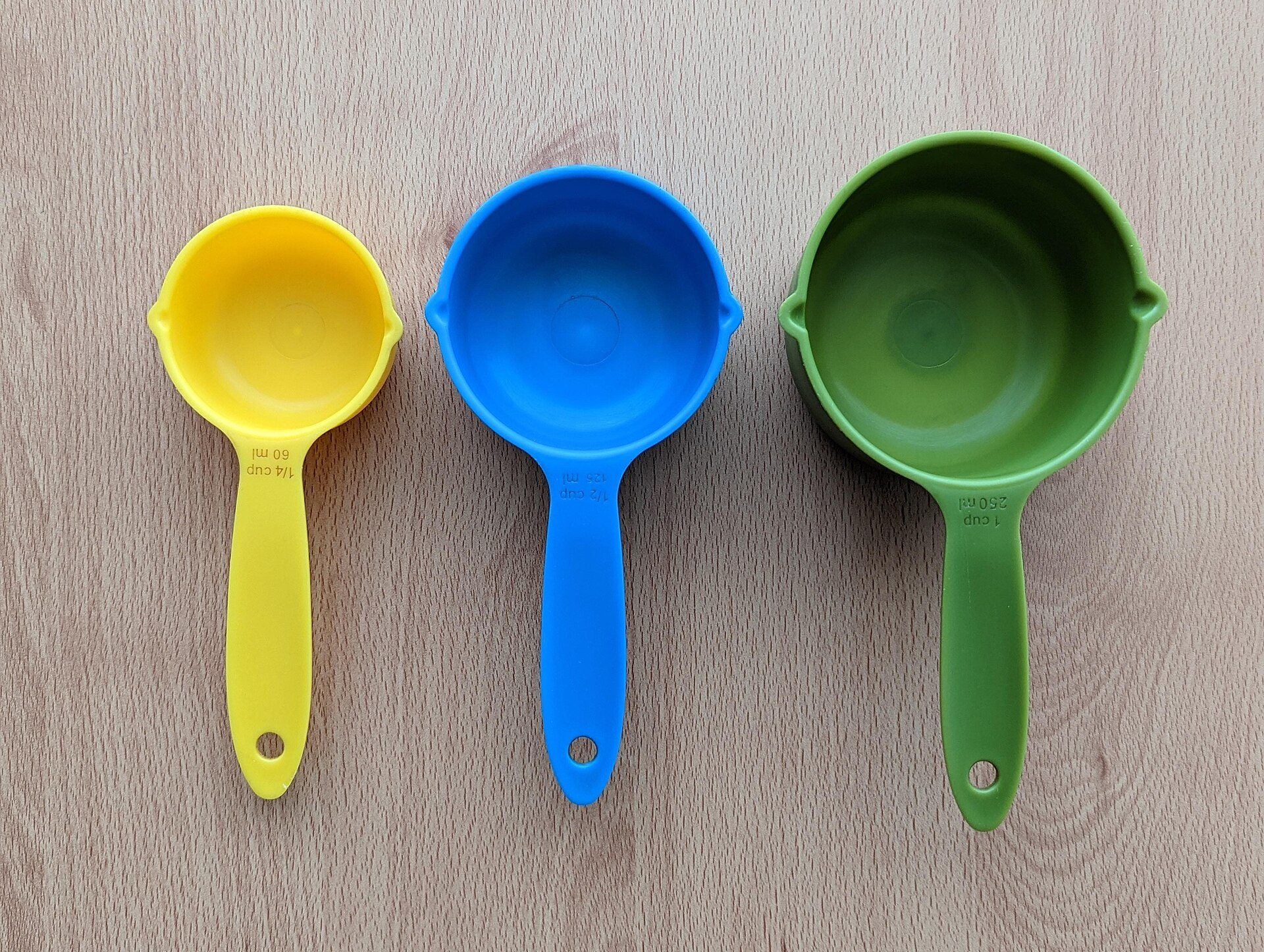
- A quarter cup — 59.1471 mL. A small measure of oil, stock or sauce; 4 tablespoons.
- Half a cup — 118.2941 mL. A single serving of rice or a half measure of milk; 8 tablespoons.
- One cup — 236.5882 mL. The standard cup of water, milk or flour in a US recipe.
- Two cups — 473.1765 mL. One US pint; a common amount of stock for soup.
- Four cups — 946.3529 mL. One US quart; just under a litre, a full jug of broth.
US cups, metric cups and food labels: three different cups
Three cup sizes circulate in kitchens, and mixing them up is the most common conversion mistake. The US cup used by this converter is 236.5882 mL. The metric cup used in Australia and in some Canadian recipes is 250 mL, about 5.7% larger. US nutrition labels round the cup to 240 mL for food packaging only. For soup or stew the difference barely matters; for baking, use the cup size your recipe was written with, or weigh the ingredients.
Rounding notes
The conversion factor is exact, so the only rounding is in the number of decimal places shown. This page shows four decimal places. For everyday cooking, round to the nearest whole millilitre, tablespoon or gram — a measuring jug or a kitchen scale cannot show more precision than that, and the difference is far smaller than the variation in how a cup is filled. For baking, weigh dry ingredients on a scale instead of converting from cups: a cup of flour can vary by several grams depending on how it is scooped and levelled.
Frequently asked questions
How many millilitres are in 1 US cup?
1 US cup is 236.5882 millilitres, from the exact factor 236.5882365 mL per cup. A US cup is 8 US fluid ounces, or 16 tablespoons. On a measuring jug, pour to about 237 mL.
How many mL is 2 cups?
2 US cups is 473.1765 mL. That is one US pint. Double the single-cup factor: 2 × 236.5882365 = 473.1765 mL.
Is a metric cup the same as a US cup?
No. A metric cup is 250 mL, while a US cup is 236.5882 mL, so the metric cup holds about 5.7% more. This converter uses the US cup. If your recipe comes from Australia, check whether it means the 250 mL metric cup.
How many grams is 1 cup of flour?
1 cup of all-purpose flour weighs 120 grams on the King Arthur Baking Ingredient Weight Chart, spooned into the cup and levelled off. Scooping the cup through the bag packs in more flour, so weighing on a scale is more accurate than converting from cups.
How many tablespoons are in a cup?
There are 16 tablespoons in 1 US cup, and 48 teaspoons. A quarter cup is 4 tablespoons and half a cup is 8 tablespoons.
What is the difference between a fluid ounce and an ounce?
A fluid ounce measures volume and an ounce measures weight. One US fluid ounce is 29.5735 mL, while one ounce of weight is 28.3495 grams. A cup holds 8 fluid ounces, but a cup of flour does not weigh 8 ounces.
Can I use a 240 mL cup instead?
For soups, stews and drinks, yes: US nutrition labels round the cup to 240 mL, which is only about 1.4% more than the exact 236.5882 mL. For baking, use the exact conversion or weigh the ingredients, because small errors add up across several cups.
How do I convert mL back to cups here?
Type in the millilitres box and the cup value updates instantly, or press Swap direction to flip the converter. Dividing millilitres by 236.5882365 gives US cups. For the dedicated reverse tool, use the Free Ml to Cups Converter.
Sources
- NIST Special Publication 811 — Guide for the Use of the International System of Units (SI), Appendix B conversion factors for the US cup, tablespoon, teaspoon, fluid ounce and ounce.
- NIST Handbook 44, Appendix C — General Tables of Units of Measurement: 1 US gallon = 231 cubic inches = 3,785.411784 mL exactly; 1 avoirdupois ounce = 28.349523125 g; 1 pound = 453.59237 g.
- King Arthur Baking, Ingredient Weight Chart — cup weights for flour, sugar, butter and rice, checked 14 November 2026.
- USDA FoodData Central — raw long-grain white rice, 185 g per cup (FDC ID 169756); cooked long-grain white rice without salt, 158 g per cup (FDC ID 169757). Search both IDs at fdc.nal.usda.gov.
More cooking converters and guides
Free Ml to Cups Converter
Millilitres back to US cups, for European jugs and American recipes.
Free Ml to Cups Converter →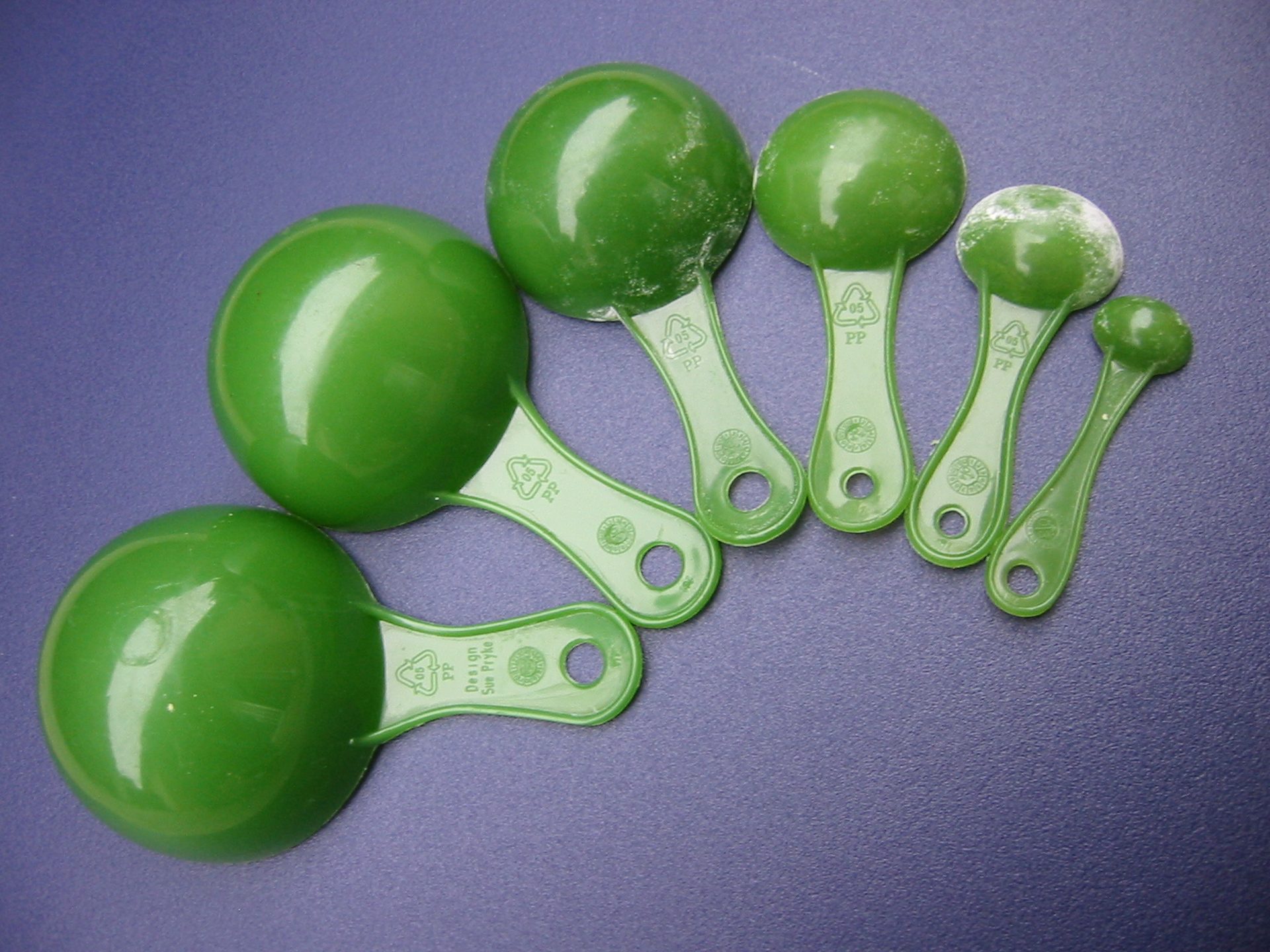
Free Tablespoons to Ml Converter
US tablespoons to millilitres, with teaspoons and cup equivalents.
Free Tablespoons to Ml Converter →Free Ml to Tablespoons Converter
Millilitres back to US tablespoons, for metric jugs and spoon measures.
Free Ml to Tablespoons Converter →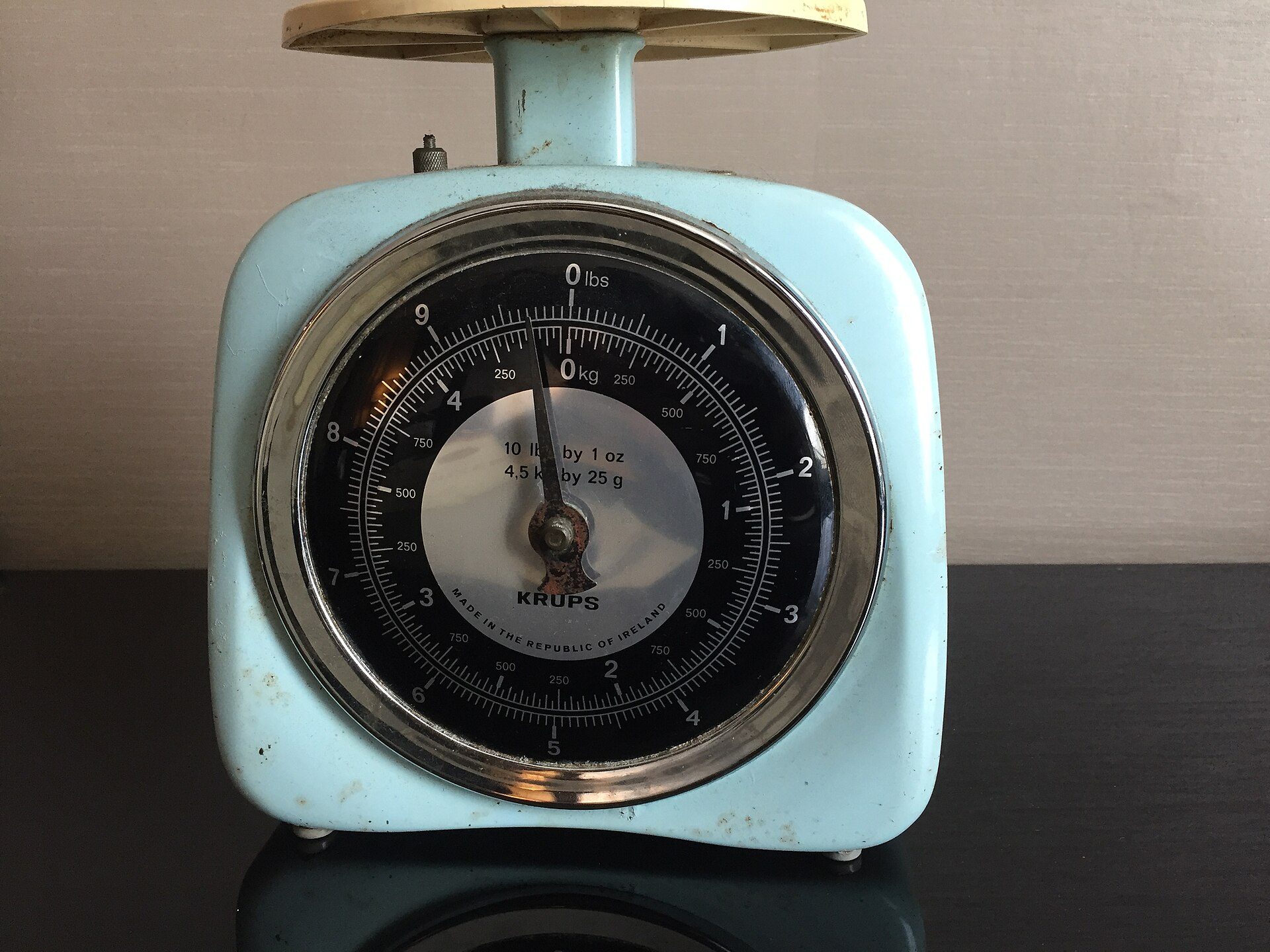
Free Grams to Ounces Converter
Grams to ounces, with pound equivalents for larger weights.
Free Grams to Ounces Converter →Free Ounces to Grams Converter
Ounces to grams, with kilogram equivalents for larger weights.
Free Ounces to Grams Converter →Find Halal Food in Europe
How to find halal food across Europe, from certified restaurants to supermarket shopping.
Find Halal Food in Europe →Ramadan Europe Travel Guide
Ramadan in Europe: iftar, suhoor, prayer and halal eating while travelling.
Ramadan Europe Travel Guide →Card photos: Vimkay / Wikimedia Commons, CC BY-SA 4.0 · carol / Wikimedia Commons, CC BY-SA 3.0 · Epec 2000 / Wikimedia Commons, CC BY-SA 4.0