London Public Transport Guide
Published: 2026-11-17 · Updated: 17 November 2026 · By Halal Europe Guide Research Team
The short version: Tap a contactless card or Oyster card to travel: buses and trams cost £1.85 a ride with unlimited changes within an hour, Tube singles in Zone 1 cost £3.10 at peak and £3.00 off-peak, and a daily cap stops your spending at £8.90 in Zones 1–2. This is a transport guide — fares, tickets and routes only — and every figure below was checked on Transport for London's own site.
Fares checked on 17 November 2026 — verify on the official site before travel.
London's public transport runs on one idea: tap in, tap out, and let the system cap what you pay. The Tube, buses, Overground, Elizabeth line, DLR and trams all take the same contactless cards and Oyster cards, and daily and weekly caps stop your spending once you have made enough journeys. There are no paper tickets to work out in advance, and buses do not take cash at all.
Fares depend on zones — concentric rings around the centre, numbered 1 to 6 and beyond — and on whether you travel at peak times. This guide covers the fares, caps, tickets, hours and airport links. It is a transport guide, not a restaurant guide: it makes no claims about food. For halal restaurants in the city, see our London halal restaurant guide.
How the network fits together
One payment system covers every mode. The differences are speed, reach and price:

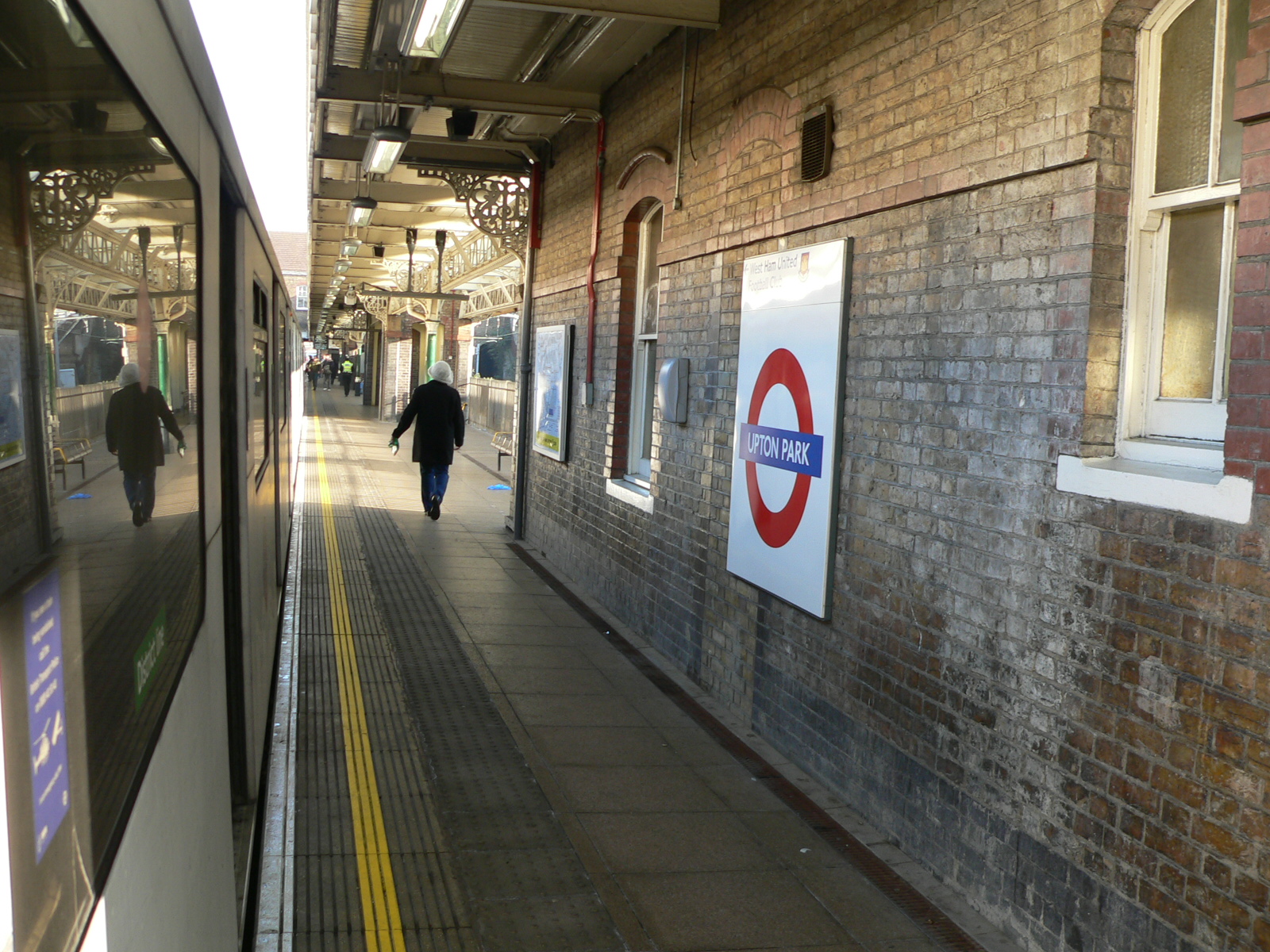
Tube
The Underground. Fast, frequent, and the quickest way across central London. Fares depend on the zones you travel through and the time of day.
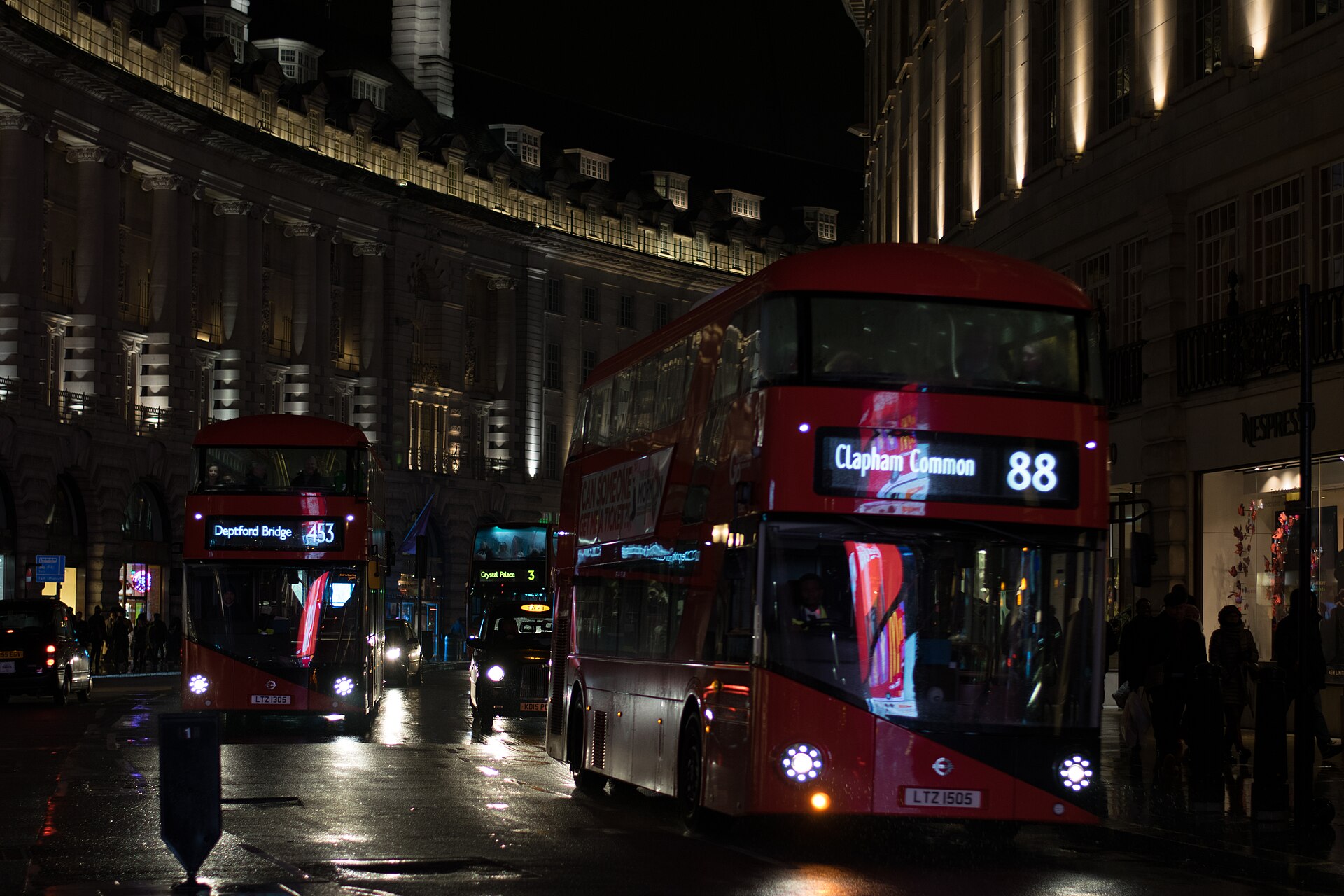
Bus
One flat fare, anywhere in London, with unlimited changes within an hour. Buses run everywhere, including through the night, and are the simplest option for short hops.
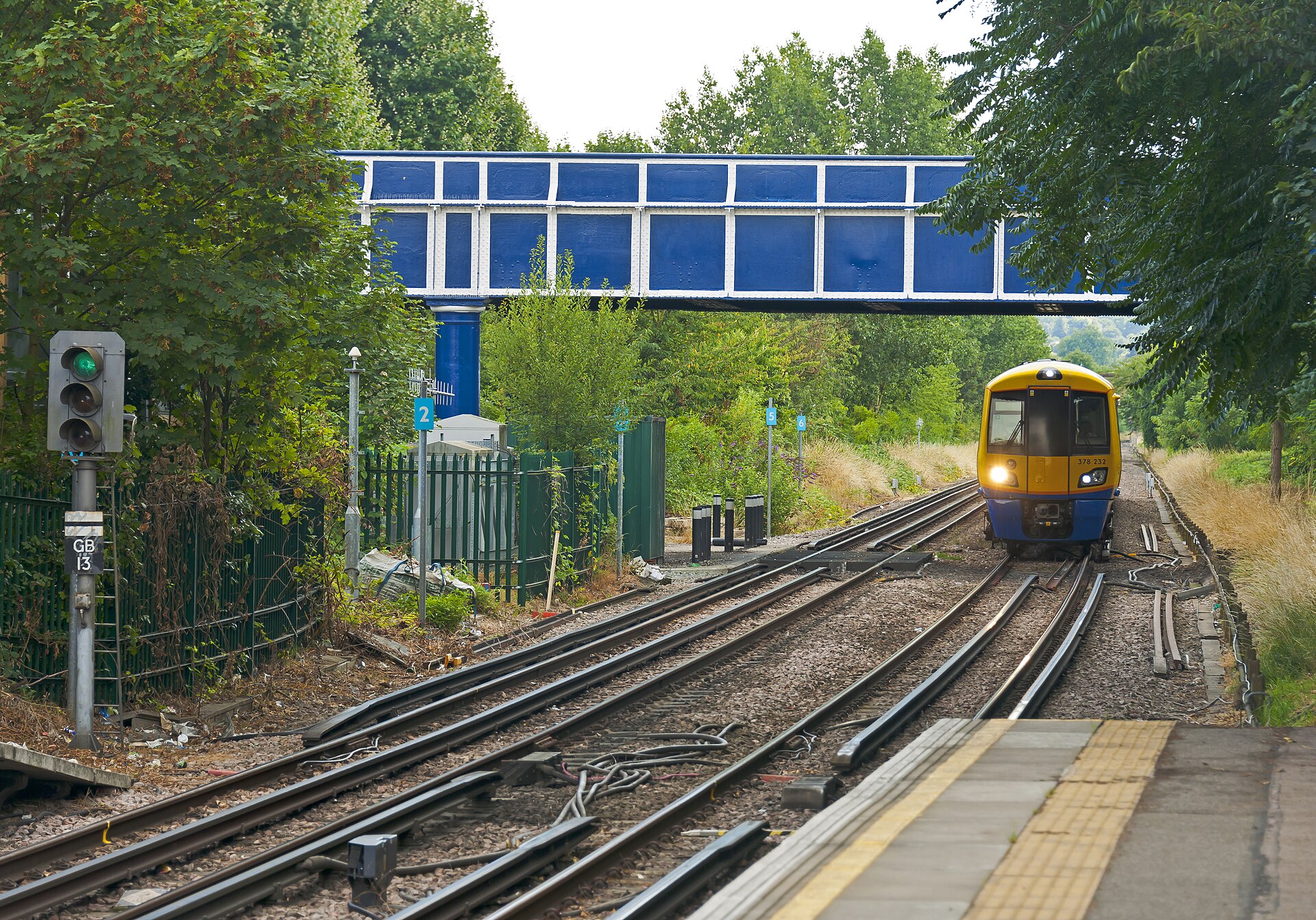
Overground & Elizabeth line
Suburban rail that fills the gaps between Tube lines. The Elizabeth line runs fast across the city and out to Heathrow airport.
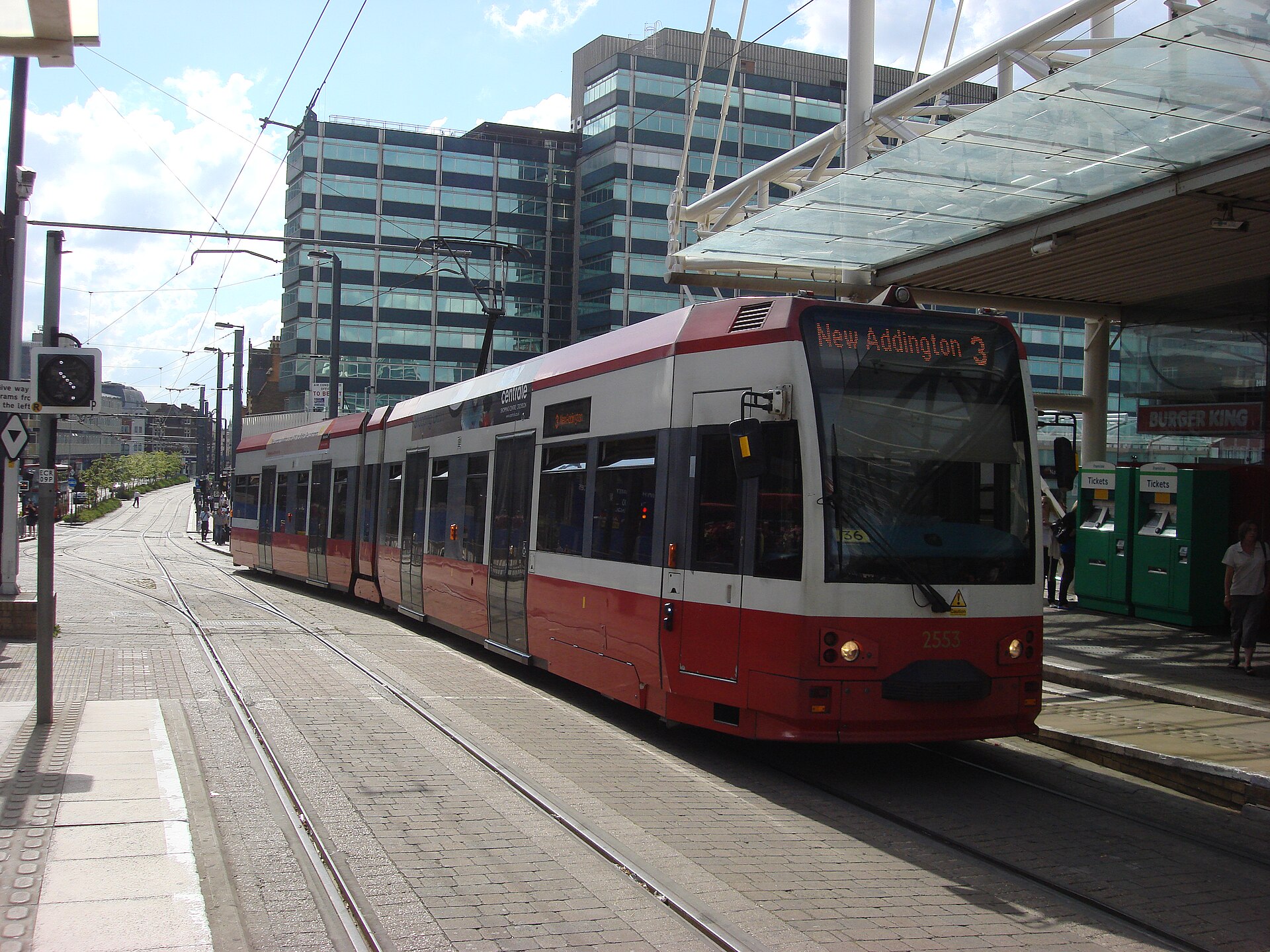
DLR & trams
Driverless trains in Docklands and trams in south London, both on the same fares and caps as the rest of the network.
Area photos: Tube — Chris McKenna (Thryduulf) / Wikimedia Commons, CC BY-SA 3.0; Bus — 0x010C / Wikimedia Commons, CC BY-SA 4.0; Overground & Elizabeth line — Daniel Case / Wikimedia Commons, CC BY-SA 3.0; DLR & trams — Oxyman / Wikimedia Commons, CC BY 2.5.
Pay as you go also covers National Rail trains within the London zones, including Southern and Thameslink services to Gatwick Airport. The premium airport express trains — Heathrow Express and Gatwick Express — are separate services with their own fares, and Gatwick Express journeys are not counted towards pay-as-you-go capping.
Fares and caps
Peak hours are 06:30 to 09:29 and 16:00 to 18:59, Monday to Friday. Outside those times, and all day at weekends, off-peak fares apply. The adult pay-as-you-go single fares for Tube and rail journeys from March 2026 are:
| Journey | Peak | Off-peak |
|---|---|---|
| 1 zone, including Zone 1 | £3.10 | £3.00 |
| 2 zones, including Zone 1 | £3.60 | £3.10 |
| 3 zones, including Zone 1 | £3.90 | £3.30 |
| 4 zones, including Zone 1 | £4.80 | £3.60 |
| 5 zones, including Zone 1 | £5.30 | £3.80 |
| 6 zones, including Zone 1 | £5.90 | £4.00 |
| 1 zone, excluding Zone 1 | £2.30 | £2.20 |
| 2 zones, excluding Zone 1 | £2.50 | £2.30 |
| Bus or tram, any distance | £1.85 | £1.85 |
The daily cap is the most you pay in one day (04:30 to 04:29 the next day) when you use the same contactless card, device or Oyster card for every journey. The weekly cap runs Monday to Sunday and never costs more than the equivalent 7-day Travelcard:
| Zones | Daily cap | Weekly cap (Mon–Sun) |
|---|---|---|
| Bus & tram only | £5.55 | £26.10 |
| Zones 1–2 | £8.90 | £44.70 |
| Zones 1–3 | £10.50 | £52.50 |
| Zones 1–4 | £12.80 | £64.20 |
| Zones 1–5 | £15.30 | £76.40 |
| Zones 1–6 | £16.30 | £81.60 |
Other fares worth knowing: a paper or cash single ticket costs £7.00 anywhere in Zones 1–6 — far more than pay as you go. Day Travelcards cost £16.60 (Anytime, Zones 1–4), £23.60 (Anytime, Zones 1–6) or £16.60 (Off-peak, Zones 1–6). Children aged 5 to 10 travel free on buses and trams, and accompanied under-11s travel free on Tube and rail. Young visitors aged 11 to 15 can get a 50% discount on adult pay-as-you-go fares for up to 14 days, set by station staff on an Oyster or Visitor Oyster card.
Bus and tram fares were frozen at £1.75 until 5 July 2026; the current TfL bus fares page lists £1.85, which is the figure used here. Older pages elsewhere may still show the frozen price.
Fares checked on 17 November 2026 — verify on the official site before travel. Use the TfL Single Fare Finder for the exact fare for any specific journey.
Which ticket should you buy?
For almost every visitor, pay as you go — by contactless card or device, Oyster card or Visitor Oyster card — is the cheapest way to travel. Transport for London says pay as you go with capping is cheaper than buying a Day Travelcard for Zones 1 to 9, and paper singles cost £7.00 against £3.10 or less for the same pay-as-you-go journey.
A contactless bank card or phone needs no setup: touch in and out, and the cap takes care of the rest. An Oyster card works the same way and suits anyone who prefers a separate travel card; buy one at a Tube or rail station, or at one of over 4,000 Oyster ticket stops across London, and top it up at stations.
A Visitor Oyster card costs £10.50 plus postage, pre-loaded with pay-as-you-go credit, and can only be bought before you arrive in London. It suits visitors who want a card in hand on landing, but it offers no fare advantage over an ordinary Oyster card or a contactless card.
One rule makes the caps work: use the same contactless card, device or Oyster card for every journey, and touch in at the start and out at the end on Tube and rail (touch in only on buses and trams). If you forget to touch out, you may be charged a maximum fare. Pink readers at some interchange stations record journeys that avoid Zone 1, which can mean a cheaper fare.
How and where to buy
- Contactless — no purchase needed. Use a bank card, phone or watch that supports contactless payment, and touch in and out on the yellow readers.
- Oyster card — buy at Tube and rail stations and Oyster ticket stops; top up at stations and ticket stops, and online.
- Visitor Oyster card — order online before you travel to London; it arrives pre-loaded with credit.
- Travelcards — paper Day Travelcards and 7-day Travelcards are sold at stations, but pay as you go with capping is usually cheaper.
Cash cannot be used to pay bus fares in London. On the Tube, cash buys only the £7.00 paper single, so a card of some kind is effectively essential.
Hours of operation
Tube trains run from early morning until around midnight, with exact first and last trains varying by station and line — check the TfL timetables for your station. Buses run all day, and night buses cover the city through the night, every night.
The Night Tube runs on Friday and Saturday nights, from around 12:30am to 5:30am, on the Central, Victoria, Jubilee, Northern and Piccadilly lines, with night services on part of London Overground as well. The exact lines running on any given night can change, so check the TfL site before you rely on a night service.
Weekend engineering work is common on the Tube and rail network. Check the TfL status page before you travel at weekends — a closed section usually has a replacement bus or a signed alternative route.
Your first ride, step by step
- Pick your payment. A contactless card or device, an Oyster card, or a Visitor Oyster card. Use the same one all day so the cap applies.
- Touch in. On the Tube and rail, touch your card or device on the yellow reader at the gate or validator before you travel. On a bus or tram, touch in once as you board — no need to touch out.
- Find your line and direction. Tube lines are named and colour-coded, and the direction is the name of the terminus station. Follow the signs for the terminus in the direction you want.
- Change where you need to. Follow the interchange signs inside the station. If you change at a station with a pink reader and your journey avoids Zone 1, touch the pink reader on the way through — it can lower your fare.
- Touch out. On Tube and rail, touch out at the gate or validator at the end of your journey. Forgetting to touch out can mean a maximum fare.
- Check the fare if you like. The TfL Single Fare Finder gives the exact pay-as-you-go fare and cap for any journey, before you travel.
Getting to and from the airports
Heathrow
Heathrow is in Zone 6. The Piccadilly line runs to all terminals, and the journey is covered by the Zone 1–6 daily cap of £16.30. The Elizabeth line is faster: a single from Zone 1 to Heathrow costs £15.50, and Heathrow travellers are protected by the daily cap. The Heathrow Express from Paddington is a separate premium service with its own fares — check the operator's site for current prices.
Gatwick
Pay as you go is valid on Southern and Thameslink trains between Gatwick Airport and central London, so you can touch in and out with a contactless card or Oyster card. Check the TfL Single Fare Finder for the fare for your journey. The Gatwick Express is a separate premium service, and its journeys are not counted towards pay-as-you-go capping.
Stansted
The Stansted Express runs between London Liverpool Street and Stansted Airport, stopping at Tottenham Hale, in 48 minutes, every 15 minutes during the day, seven days a week. Tickets booked direct start from £9.90 one-way. Oyster cards are only valid between Liverpool Street and Tottenham Hale, not to the airport — buy a ticket in advance or use contactless for the full journey. The airport station is about 2 minutes' walk from the terminal.
Luton
The Luton Airport Express runs half-hourly between London St Pancras International and Luton Airport Parkway in 22 minutes, connecting with the Luton DART shuttle, which reaches the terminal in 4 minutes and runs 24 hours a day. The combined journey takes 32 minutes. Advance tickets start from £10 one-way including the DART, and the DART-only adult fare is £4.90. Book to “Luton Airport”, not “Luton Airport Parkway”, for the DART to be included in your ticket.
Accessibility
Transport for London states that the entire London bus fleet has been fully wheelchair accessible since 2005, with a dedicated wheelchair space, ramps, low floors and priority seating. Wheelchair and mobility-scooter users travel free on buses and trams. The Tube is a mixed picture: TfL publishes a step-free Tube guide that distinguishes stations with step-free access from street to platform from those that are step-free all the way to the train. Check the guide for your stations before you travel, because step-free routes sometimes need a different interchange.
Check before you travel
Live departures, service disruption news and the current fare tables live on the official sites below. Check them on the day you travel — engineering work and special events change services, and fares are reviewed regularly.
- TfL — find fares — Single Fare Finder and caps tool for any journey
- TfL — bus and tram fares — the Hopper fare, bus caps and passes
- TfL — capping — how daily and weekly caps work
- TfL — Tube, DLR and Overground status — live line status and disruptions
- TfL — timetables — first and last services by line and station
- TfL — step-free Tube guide — which stations are step-free, street to platform and street to train
- Stansted Express — timetables and fares to Stansted Airport
- Luton Airport Express — train and DART shuttle times and tickets
Frequently asked questions
How much is a bus ride in London?
A bus or tram journey costs £1.85. The Hopper fare gives you unlimited bus and tram journeys within one hour of your first touch-in for that single £1.85, and the daily bus and tram cap is £5.55.
How much is a Tube journey in central London?
A pay-as-you-go single journey within Zone 1 costs £3.10 at peak times and £3.00 off-peak. A journey across two zones including Zone 1 costs £3.60 peak or £3.10 off-peak. Peak times are 06:30 to 09:29 and 16:00 to 18:59, Monday to Friday.
What is the daily cap, and how does it work?
The daily cap is the most you pay for all your pay-as-you-go journeys in one day, from 04:30 to 04:29 the next day. In Zones 1–2 it is £8.90, in Zones 1–3 £10.50, and in Zones 1–6 £16.30. There is also a Monday-to-Sunday weekly cap, which never costs more than the equivalent 7-day Travelcard.
Should I use an Oyster card or a contactless card?
The fares and caps are the same for both. A contactless bank card or device needs no setup — just touch in and out. An Oyster card suits visitors who prefer a separate travel card, and a Visitor Oyster card can be bought online before you arrive in London for £10.50 plus postage, pre-loaded with credit. Use the same card or device all day so the cap applies.
Can I pay cash on a London bus?
No. London buses do not accept cash. Touch in with a contactless card, an Oyster card or a Visitor Oyster card — and touch in only; there is no need to touch out on a bus or tram.
How do I get to Heathrow airport cheapest?
The Piccadilly line runs to Heathrow, which is in Zone 6, so your journey is covered by the Zone 1–6 daily cap of £16.30. The Elizabeth line is faster: a single from Zone 1 to Heathrow costs £15.50. Both are usually far cheaper than the separate Heathrow Express service from Paddington.
Can I use Oyster or contactless to Gatwick and Stansted airports?
Pay as you go is valid on Southern and Thameslink trains between Gatwick Airport and central London, so you can touch in and out with a contactless card or Oyster card; check the TfL Single Fare Finder for the fare. Stansted is different: Oyster cards are only valid as far as Tottenham Hale, not to the airport, so buy a Stansted Express ticket or use contactless for the full journey.
What runs at night in London?
The Night Tube runs on Friday and Saturday nights, from around 12:30am to 5:30am, on selected lines including the Central, Victoria, Jubilee, Northern and Piccadilly lines, plus night services on part of London Overground. Night buses run across the city every night. Check the TfL site for the current night lines before you travel.
Final thoughts
London's system rewards one simple habit: touch the same contactless card or Oyster card in and out on every journey, and the daily and weekly caps do the rest. You never need to work out which ticket to buy in advance — the cap is your ticket.
Spotted a fare or timetable change? Tell us through our contact page and we’ll recheck it against the official source — reader corrections keep this guide accurate for everyone.
Halal restaurants in London
Where to eat halal across the capital, from Edgware Road to East London.
London halal guide →Halal food on Edgware Road
Halal restaurants along London's best-known Middle Eastern food street.
Edgware Road halal food →Paris Métro & bus travel guide
Métro, bus and RER fares, Navigo tickets and the CDG, Orly and Beauvais links.
Paris transport guide →Berlin public transport guide
U-Bahn, S-Bahn, bus and tram fares, zones and the BER airport link.
Berlin transport guide →